
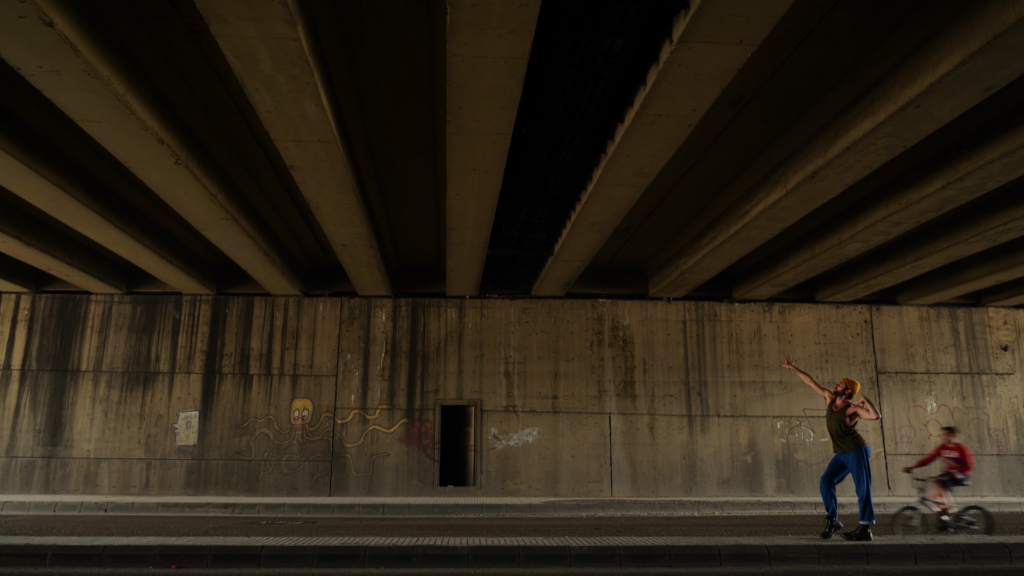
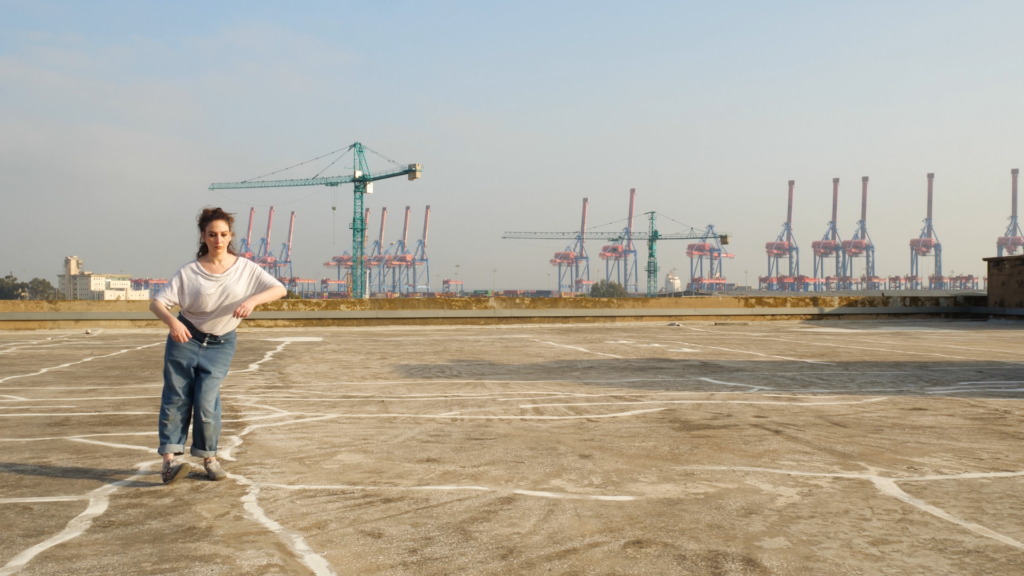
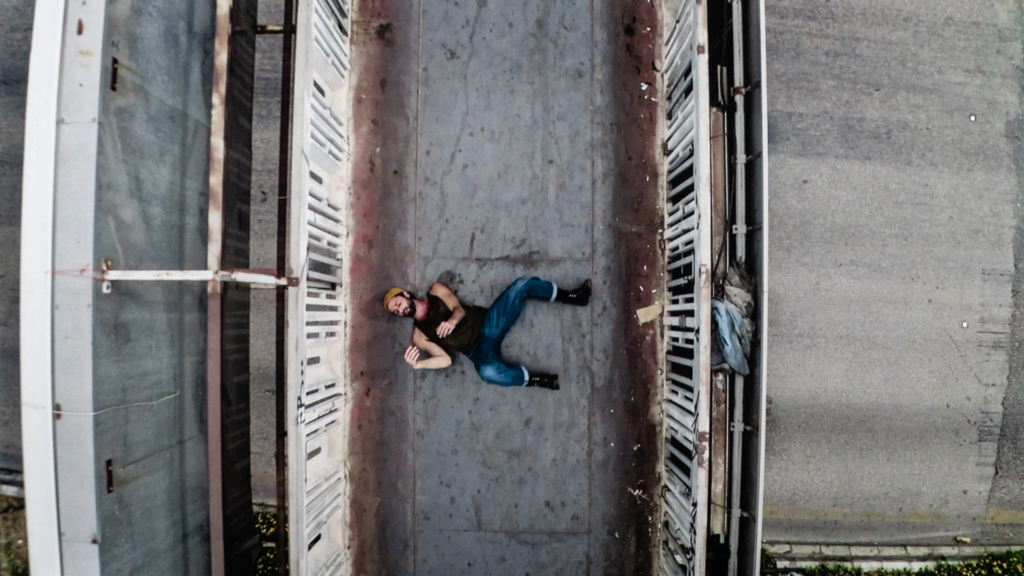
The Odor of Elephants After the Rain is a poignant work by dance artist Omar Rajeh, created in Beirut in the aftermath of the devastating explosion at the port in August 2020. Emerging from a landscape marked by political upheaval, economic collapse and collective grief, the film bears witness to a city and its people in the wake of profound rupture.
Commissioned by the Edinburgh International Festival, the film forms part of Rajeh’s wider artistic inquiry into memory, displacement and resilience. It reflects on the dismantling of Citerne Beirut, the performing arts space he founded, alongside the compounded crises that have reshaped Lebanon in recent years.
Through an evocative visual language, Rajeh traces the emotional residue of trauma: spaces erased, histories fractured and identities unsettled. The film lingers on the tension between remembrance and erasure, capturing the persistence of the body as a vessel for both pain and endurance.
Meditative and deeply personal, The Odor of Elephants After the Rain offers a powerful reflection on how individuals and communities continue to move, create and exist amid loss.
-
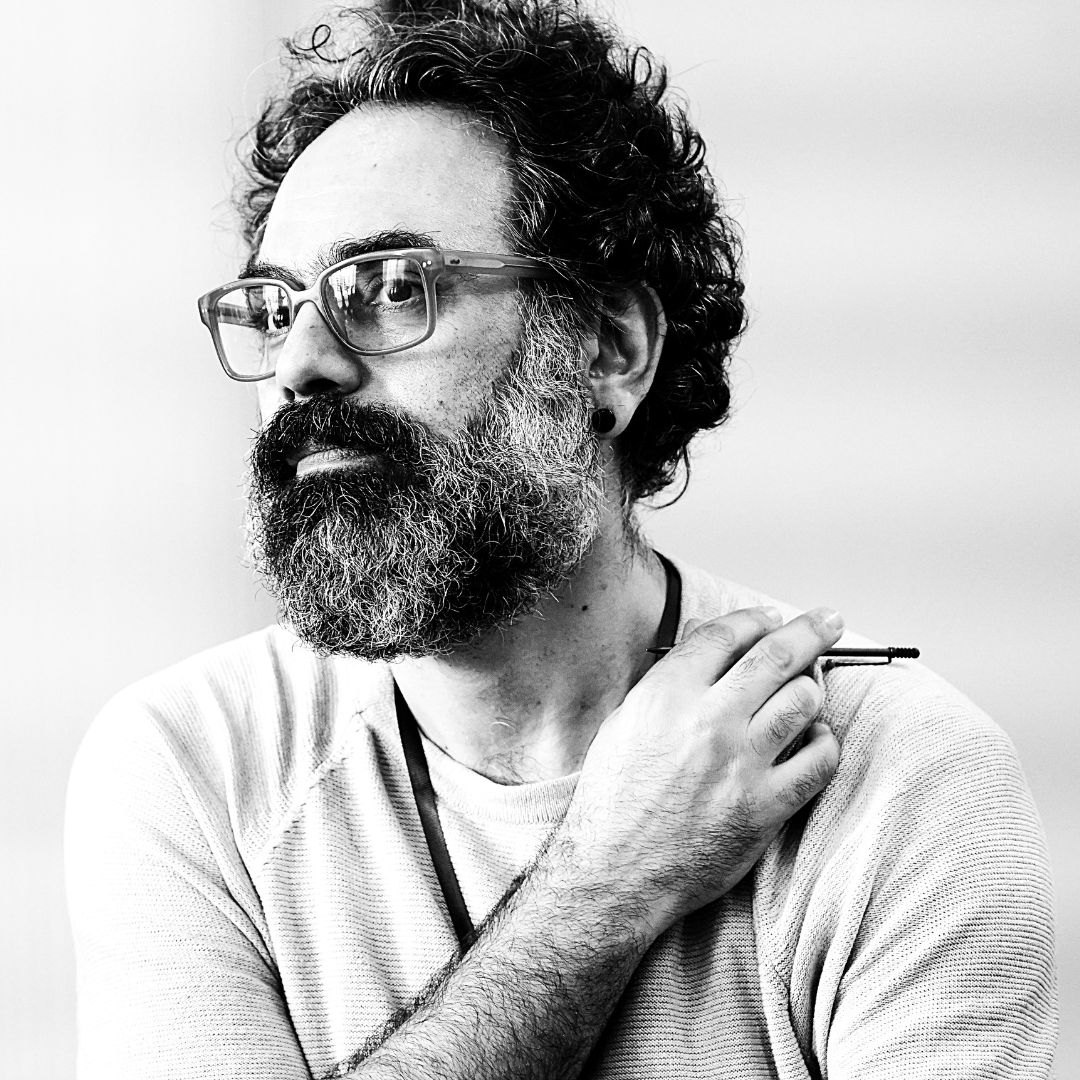
Omar Rajeh
Choreographer, Dancer & Artistic Director
Omar Rajeh (he/him)
Choreographer, Dancer & Artistic Director
Beirut (Lebanon), Lyon (France)
Omar Rajeh is a choreographer and dancer, founder and artistic director of Maqamat.
After establishing his base in Lebanon in 2002, he relocated to Lyon in 2020, continuing to create and tour between Lebanon, France, and internationally.
Across more than twenty choreographic works presented on major international stages, Rajeh develops a practice that questions the politics of gatherings and relationships. He treats space as a living composition of meaning: how it is arranged, occupied, and negotiated shapes the nature of relationships. Central to his approach is maqam – a practice of instant composition that conceives the body as a constellation of shifting centres in constant dialogue, organising space through relationships rather than form.
Rajeh’s artistic work is inseparable from the cultural ecosystems he has initiated and sustained. He founded BIPOD – Beirut International Platform of Dance, co-founded the Masahat network, and initiated Takween, an intensive training program. In 2017 he established Citerne Beirut, a pioneering choreographic centre in Lebanon, later reimagined as Citerne.live, a digital platform dedicated to artistic circulation and documentation.
For his contribution to culture, he was distinguished by the French Ministry of Culture as Chevalier de l’Ordre des Arts et des Lettres.
Gallery
Credit Maqamat
More from Omar Rajeh
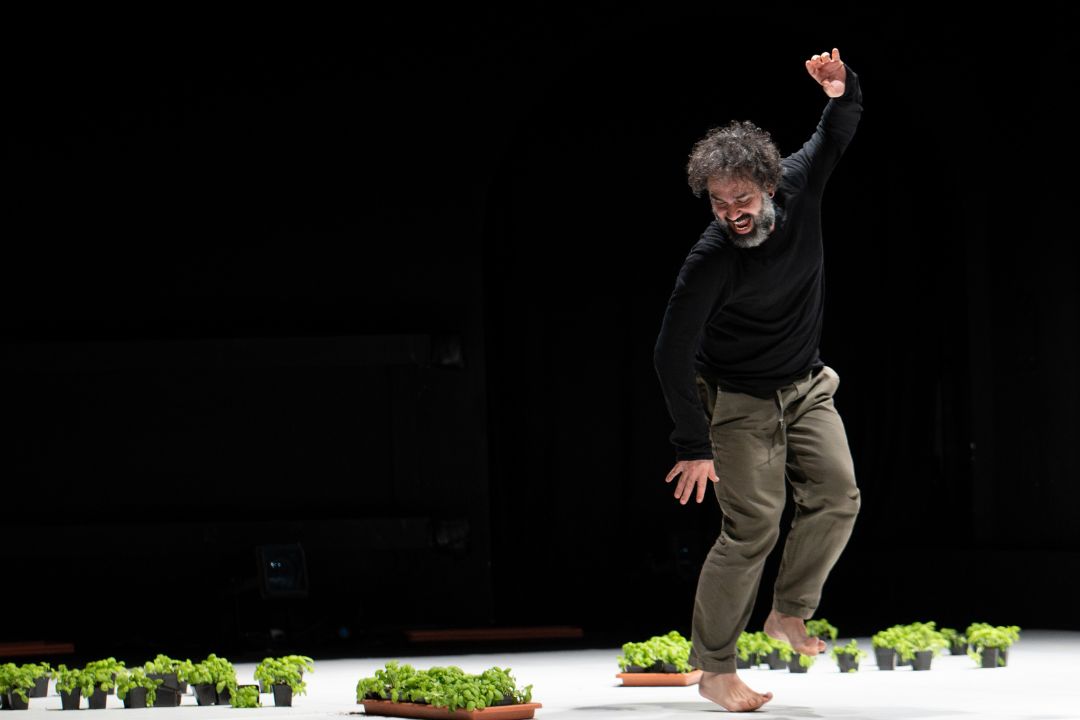
16 - 17 Oct 2026
In-person
Barbican Pit
Cie Omar Rajeh & Maqamat Dance is Not for Us
An intimate solo that speaks of Lebanon and a world that froze before it could become a future
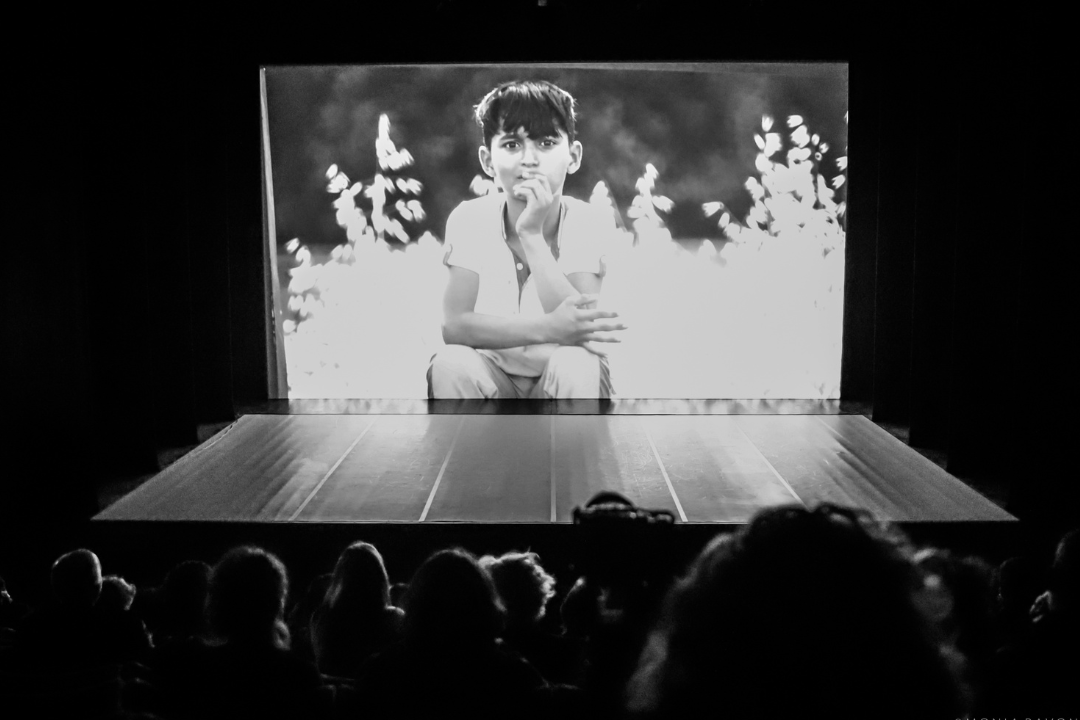
18 Oct 2026
In-person
Barbican Cinema 3
Omar Rajeh Dance Umbrella Film Series: Sunday Shorts
Film curation exploring the social, political and emotional landscapes we inhabit through movement
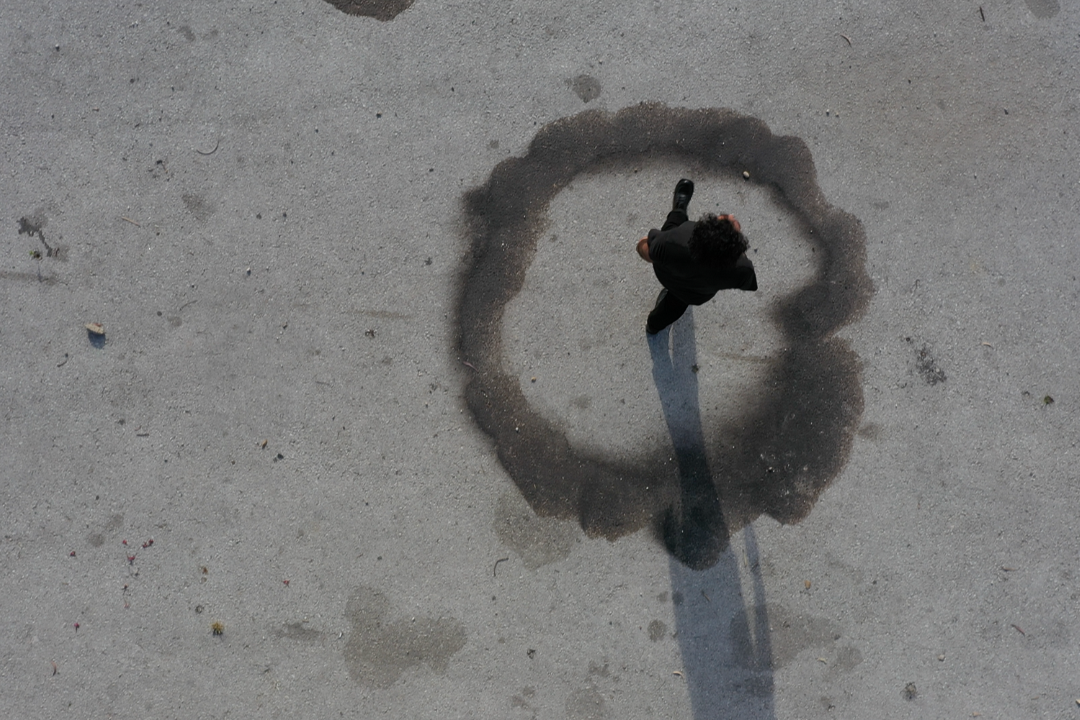
7 Oct - 30 Nov 2026
DigitalCie Omar Rajeh & Maqamat Spaces of Encounter
A special curation of short films examining how movement can reveal the landscapes we inhabit
Cast & Creative +
- Omar Rajeh
Concept & Choreography - Selim Mourad
Director - Charbel Haber
Music Composition - Talal Khoury
Director of Photography - Sandra Fatté
Editor - Rana Eid
Sound Design - Mia Habis, Charlie Prince, Omar Rajeh
Dancers - Rana Khoury
Guest Speaker - Anthony Faye / Danc.Cin.Lab
Additional Camera - Tarte aux Poires Experiential / Ricky Dakouny – Michael Hanna
Executive Producer - Chrystel Elias
Colourist - Dikranouhi Kurkjian
Assistant Editor - Marita Sbeih
Sound Artist - Patrick Chakar
Foley Recording - Lama Sawaya
Foley Re-recording Mixer - Luna Abi Raad
1st Assistant Camera - Kameel Rayyes
Drone Operator - Patrick Chakar
On-Set Sound - Adel Serhal
Key Production Assistant - Lucid
Post-Production
Credits +
A production of Maqamat | Omar Rajeh Film commissioned and co-produced by the Edinburgh International Festival, with funding from the British Council Co-produced by CN D Centre national de la danse à Lyon.
Supported by Maison de la Danse, Lyon dans le cadre d’une mise à disposition studio, CCN2 –Centre chorégraphique national de Grenoble, dans le cadre de l’accueil studio, Tanzfabrik Berlin in the frame of apap - Performing Europe / Production Studio Berlin / EU Creative Europe Programme, D Beirut, Forum de Beirut, Citerne Beirut.
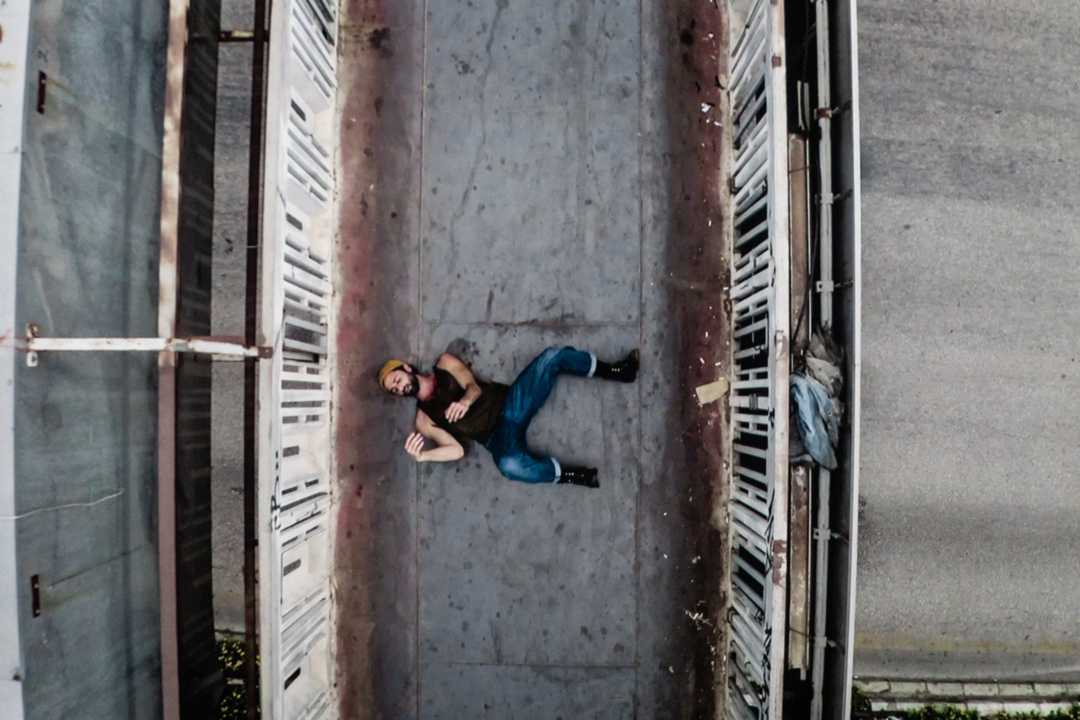
You might also like ...
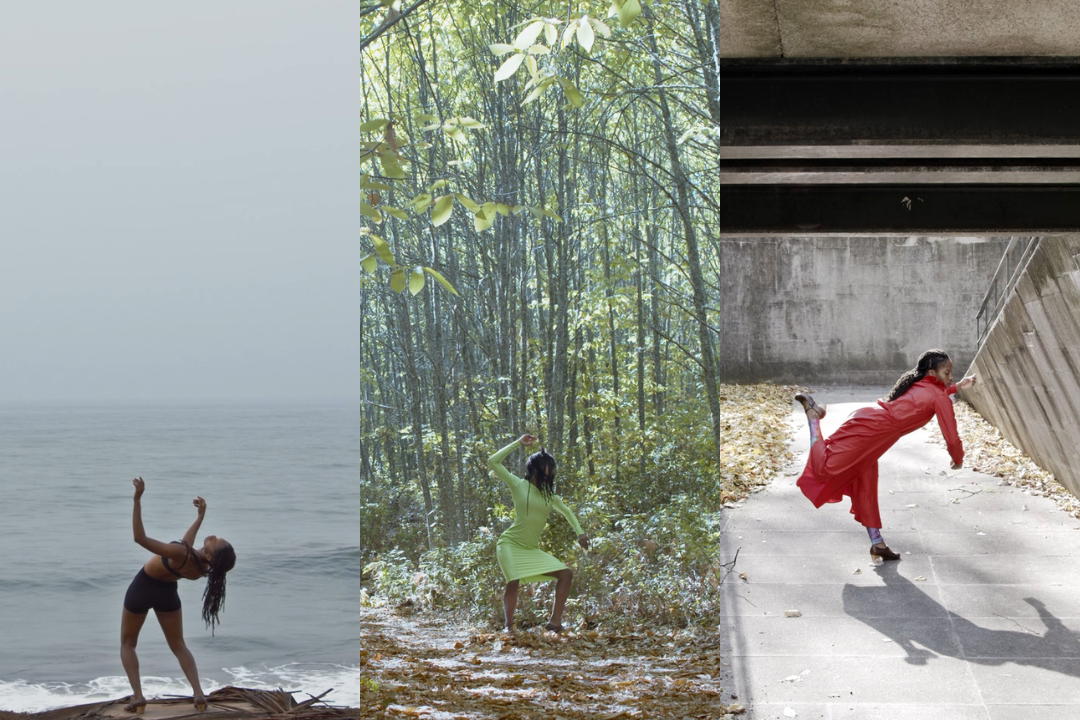
7 Oct - 30 Nov 2026
DigitalYinka Esi Graves & Miguel Ángel Rosales The Coast, The Forest & The Door
Short film trilogy where a performer interacts with landscapes shaped by colonial discourse
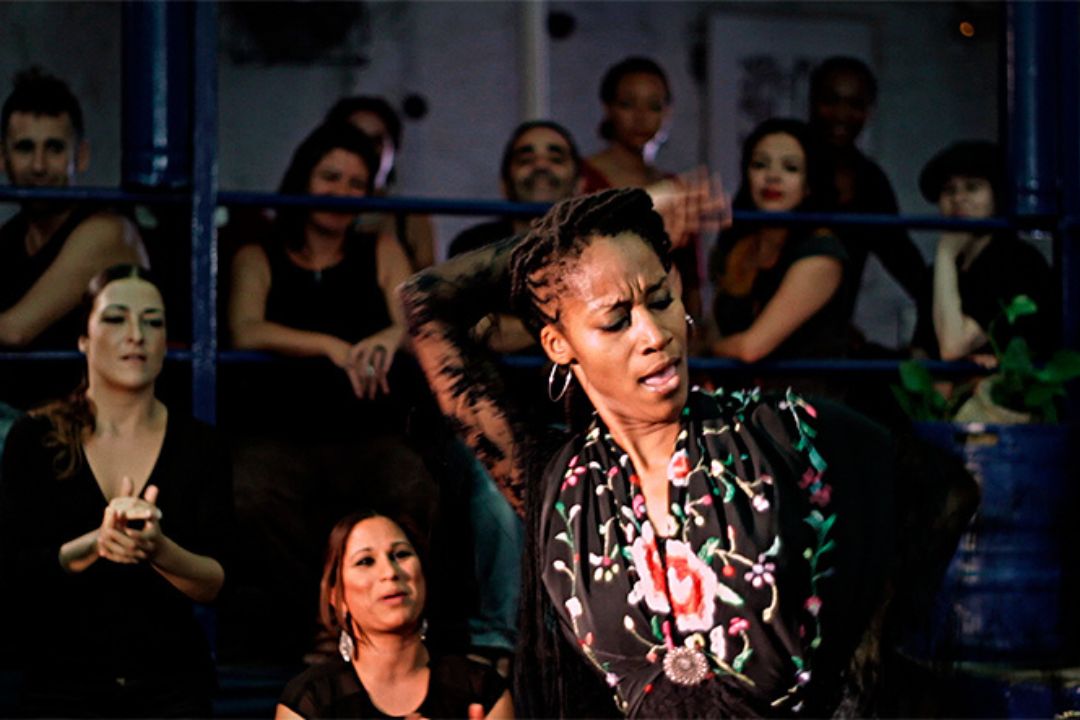
7 Oct - 30 Nov 2026
DigitalIntermedia Producciones Gurumbé: Afro-Andalusian Memories
Documentary uncovering the African roots of flamenco, one of Spain’s iconic cultural traditions
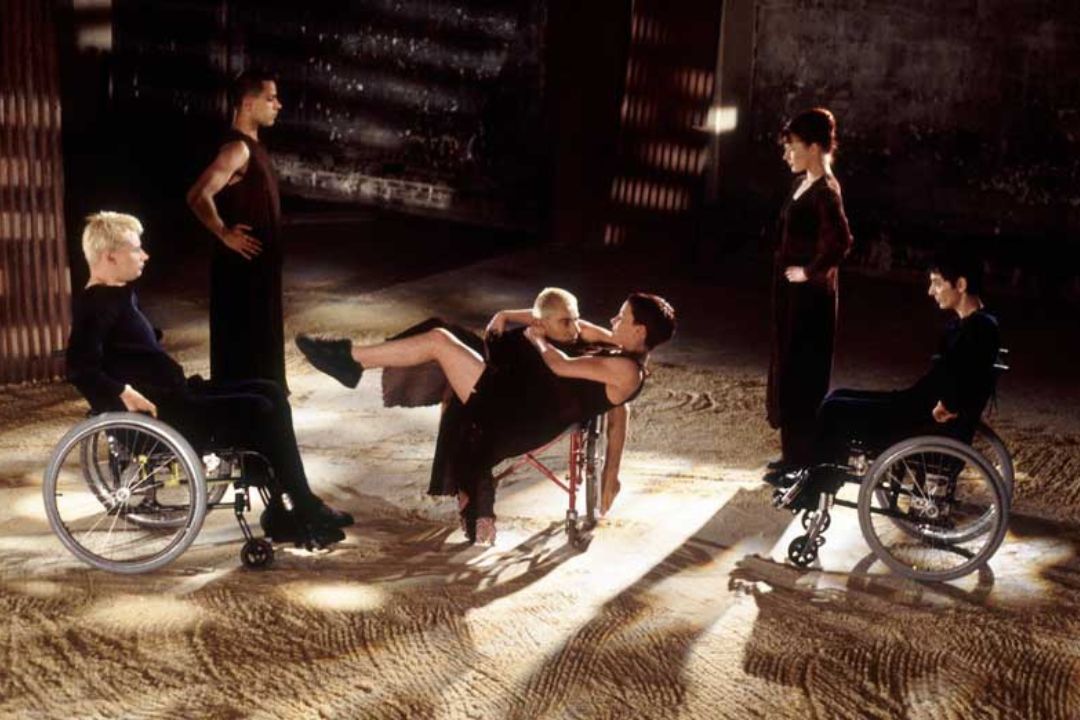
7 Oct - 30 Nov 2026
DigitalMJW Productions & Candoco Dance Company Outside In
A landmark film which transforms movement into something intimate, cinematic and unexpected